The Wisdom of
Your Ancestors
The Akan people of Ghana and Côte d'Ivoire have built one of the world's most sophisticated cultural systems — a living philosophy encoded in symbols, cloth, language, and ceremony. For millions of African Americans, this is not foreign history. This is home.
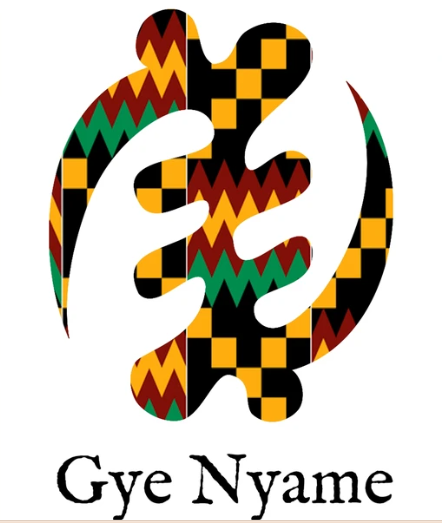
Gye Nyame
"Except God" — the most sacred Adinkra symbol
Who Are the Akan People?
The Akan are a meta-ethnicity of peoples primarily located in present-day Ghana and Côte d'Ivoire. They include the Ashanti, Fante, Bono, Akuapem, Akyem, and many other groups — united by shared language (Twi), matrilineal kinship systems, and a rich philosophical tradition.
Historians estimate that a significant portion of enslaved Africans brought to the Americas — particularly to South Carolina, Georgia, Jamaica, and the Caribbean — came from Akan-speaking regions. The cultural fingerprints are everywhere: in African American naming traditions, spiritual practices, music, and community values.
20M+
Akan people worldwide
~1700
Years of recorded Akan history
30+
Akan subgroups and clans
100+
Adinkra symbols documented
Wisdom Written in Symbol
Adinkra are visual symbols created by the Akan that represent concepts, aphorisms, and proverbs. They appear on cloth, pottery, architecture, and jewelry.
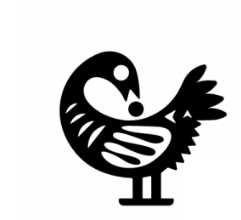
Sankofa
"Go back and fetch it"
The bird that looks backward while moving forward. A call to learn from the past to build a wiser future. The defining symbol of the African diaspora's journey home.
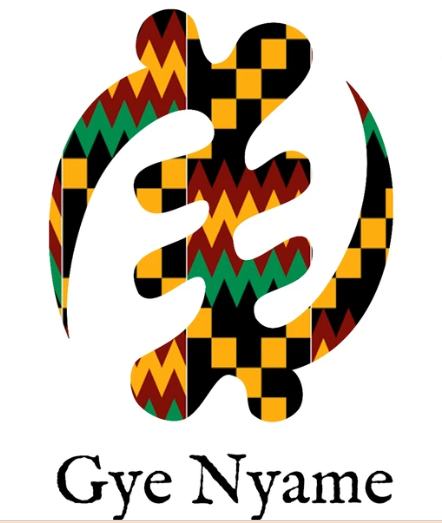
Gye Nyame
"Except God"
The most widely used Adinkra symbol. It represents the supremacy and omnipotence of God — the one force that existed before all things and will remain after all things.
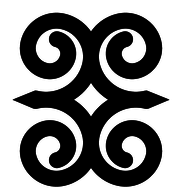
Dwennimmen
"Ram's Horns"
The ram fights fiercely but bows its head humbly when it drinks. A symbol of strength paired with humility — power that knows when to yield.

Akoben
"War Horn"
A symbol of vigilance and wariness. A call to be alert, to stand ready, and to sound the alarm when your community needs defending.

Nkyinkyim
"Twisting"
The symbol of adaptability, dynamism, and versatility. Life requires us to bend without breaking — to move through challenges with grace and resilience.
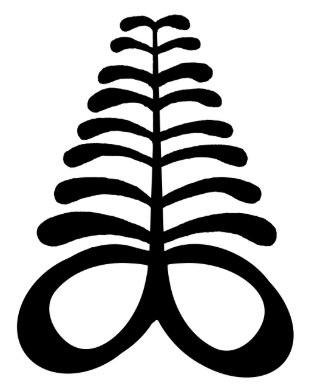
Aya
"Fern"
The fern is a hardy plant that grows in difficult places. It represents endurance, resourcefulness, and the ability to thrive against all odds.

The Language of Royalty
Kente Cloth
Woven in narrow strips and sewn together, kente cloth is one of the most recognizable symbols of African identity worldwide. Each pattern, color, and combination carries specific meaning — gold for royalty and wealth, green for growth and renewal, red for political passion and sacrifice. Originally worn only by Akan royalty, kente has become a global symbol of African pride and diaspora identity.

A Legacy of Gold and Power
The Ashanti Kingdom
The Ashanti (Asante) people are the largest Akan subgroup and one of the most powerful kingdoms in West African history. At their height in the 18th and 19th centuries, the Ashanti Empire controlled vast territories and resisted British colonization with fierce determination. Their Golden Stool — the Sika Dwa Kofi — is the most sacred object in Akan culture, believed to contain the soul of the entire Ashanti nation.
Twi — The Sound of Your Heritage
Akwaaba
Welcome
ah-KWAH-bah
Medaase
Thank you
meh-DAH-seh
Wo ho te sɛn?
How are you?
woh-hoh-teh-SEN
Me firi Ghana
I am from Ghana
meh-FEE-ree GAH-nah
Sankofa
Go back and fetch it
san-KOH-fah
Onipa na ohia onipa
A person needs people
oh-NEE-pah nah oh-HEE-ah
Twi (pronounced "Chwee") is spoken by over 9 million people and is one of the most widely spoken languages in Ghana. Learning even a few words before your visit to Ghana creates an immediate, profound connection with the people you meet.
Ready to Experience Akan Culture in Person?
Walk the same land. Hear the same drums. Wear the same cloth. Ghana is waiting.